
Derweil in Tschechien... 5/26
06.02.2026
Change of leadership at the Brücke|Most Foundation
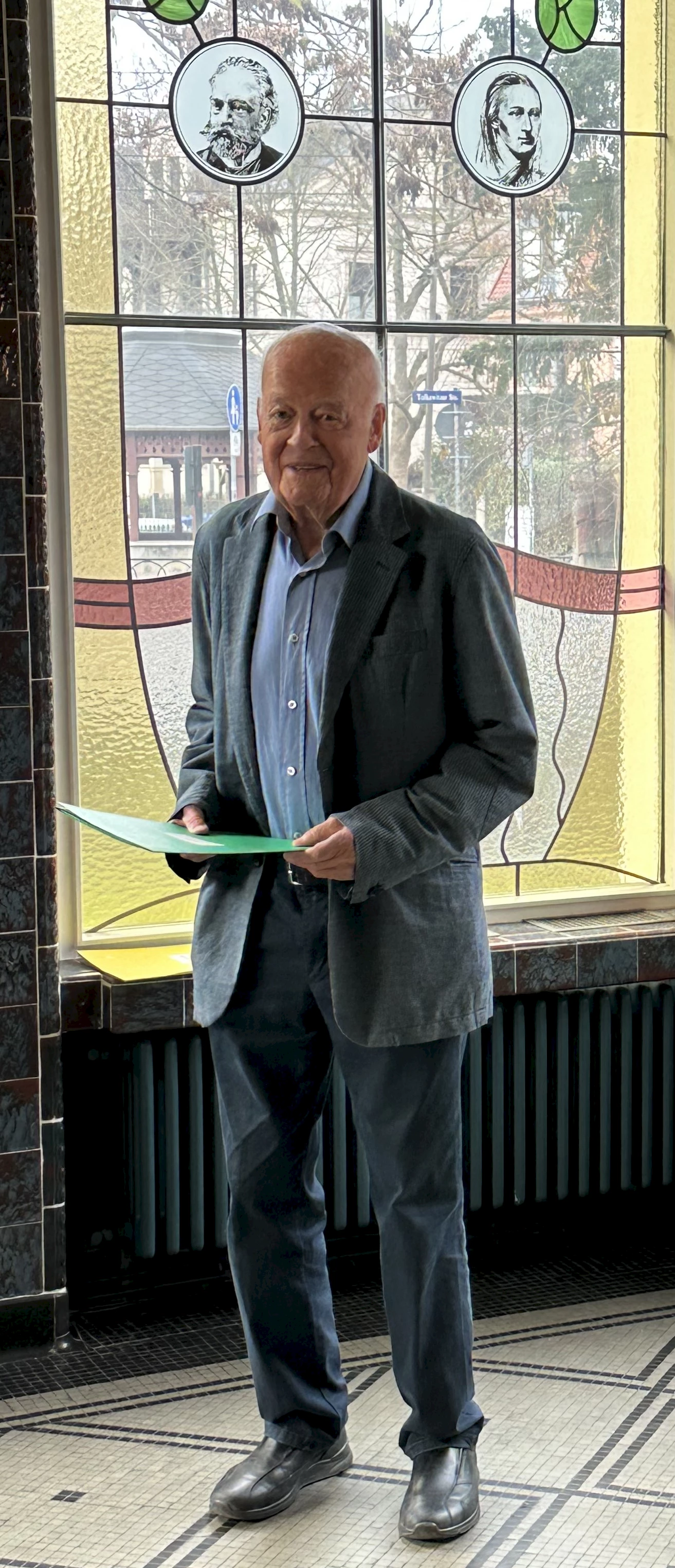
After almost 30 years at the helm of the Brücke|Most Foundation, Professor Helmut Köser stepped down as Chairman of the Executive Board at the end of January. Peter Baumann, who played a key role in establishing the foundation as Managing Director from 1997 to 2017, was unanimously elected as the new Chairman of the Board. He will take on the role on an honorary basis.
Professor Köser founded the Brücke|Most Foundation in 1997 together with his mother Gertrud Köser with the aim of sustainably promoting understanding and cooperation in East-Central Europe and bringing people on both sides of the border closer together. Under his leadership, the foundation established itself as an important player in the field of intercultural education, encounters and knowledge transfer. Numerous cross-border projects set standards in German-Czech and East-Central European exchange.

The formative initiatives include the Czech-German Culture Days, which have been taking place since 1999 (since 2018 under the auspices of the Elbe/Labe Euroregion), a scholarship program for Czech and Slovakian students at the Dresden University of Music since 2001 and a wide range of historical and political education programmes. Since 2019, it has been coordinating and supporting trips by Saxon school groups to places of learning and remembrance within Germany and Europe on behalf of the Saxon Ministry of Culture as the state service center "Learning Places of Remembrance and Commemoration".
Peter Baumann praised Helmut Köser as a key figure in German-Czech civil society: "With his vision and tireless commitment, Professor Köser not only built a foundation, but also created real bridges between people and cultures. His work has provided cross-generational impetus for a peaceful and united Europe."
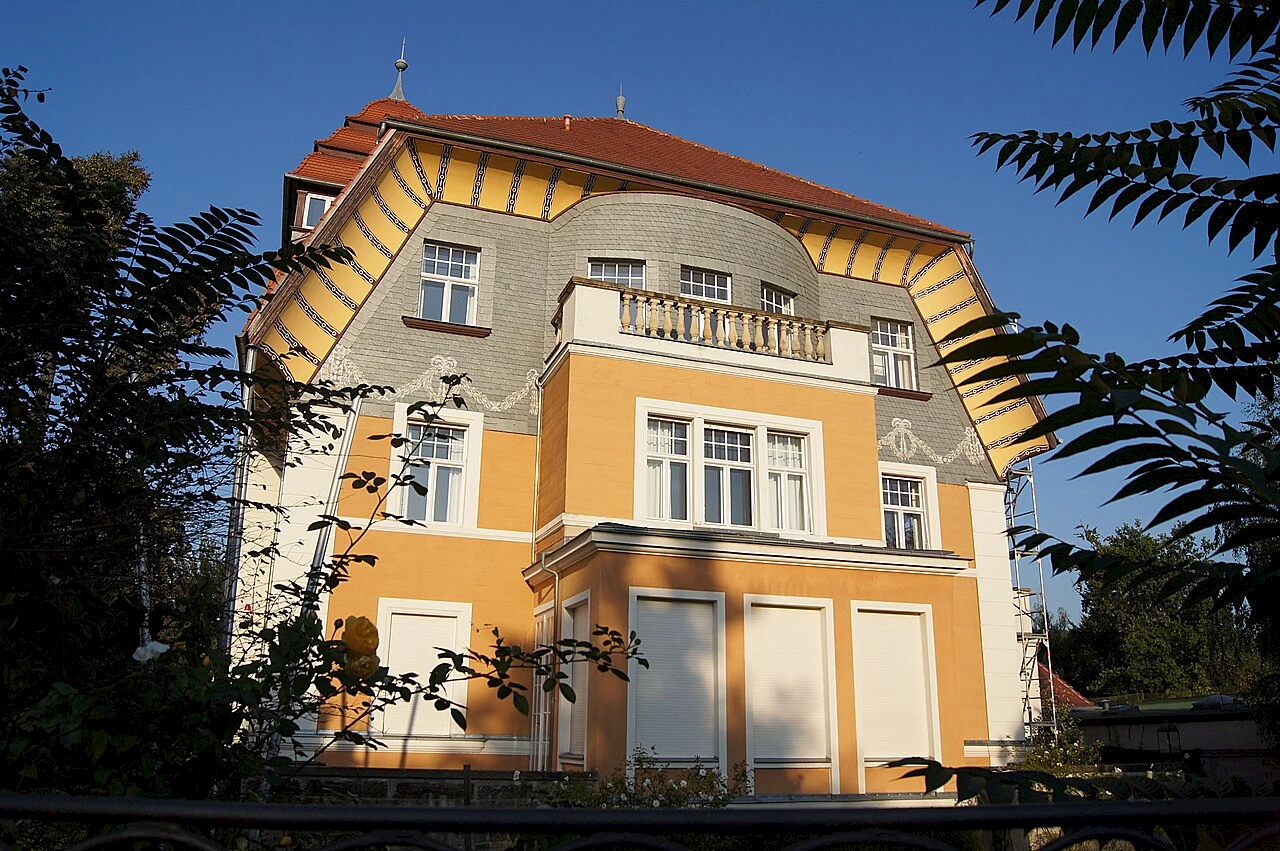
Professor Köser looks back on the development of the foundation with gratitude: "It fills me with great joy to see how an idea has grown into a living network of exchange, learning and mutual respect. I will of course remain associated with the foundation as a donor. In my view, the reorientation of the Foundation in terms of content and personnel, which we have been working on since 2018, is now complete. I am convinced that the new Board of Directors will continue to pursue my and our common goals with great commitment. It is my wish that the Brücke-Villa in Dresden-Blasewitz will remain the heart of the foundation."
Demonstrations for the president
Tens of thousands of people showed their support for Czech President Petr Pavel at several demonstrations in the Czech Republic on February 1. So many people responded to the call of the initiative Milion chvilek na podporu prezidenta Petra Pavla (Millions of Moments in Support of President Petr Pavel) in Prague alone that they could not all fit on the Old Town Square (Staroměstské náměstí). Demonstrations also took place in other cities such as Hradec Králové, Pardubice, Zlín, Vrchlabí, Jeseník, Třeboň and Uherské Hradiště.
The demonstrations were a reaction to pressure from Foreign Minister Petr Macinka on President Pavel to appoint the honorary chairman of the Motorist Party Filip Turek as Minister of the Environment (we reported on this in the last newsletter).
After a meeting between President Pavel and Prime Minister Andrej Babiš at the beginning of the week, the Prime Minister declared the Turek case closed. "President Pavel will not appoint Turek as Environment Minister and that is the end of the chapter for me," said Babiš. Political observers saw two winners after the dispute with Pavel and Babiš and the motorist as the big loser. However, it is unlikely that the Motorists will present a new candidate for the ministerial office in the foreseeable future in order to avoid having to concede this bitter defeat. The dispute is therefore likely to continue to simmer for a while, albeit to a less extreme degree.
Pope appoints new Archbishop of Prague
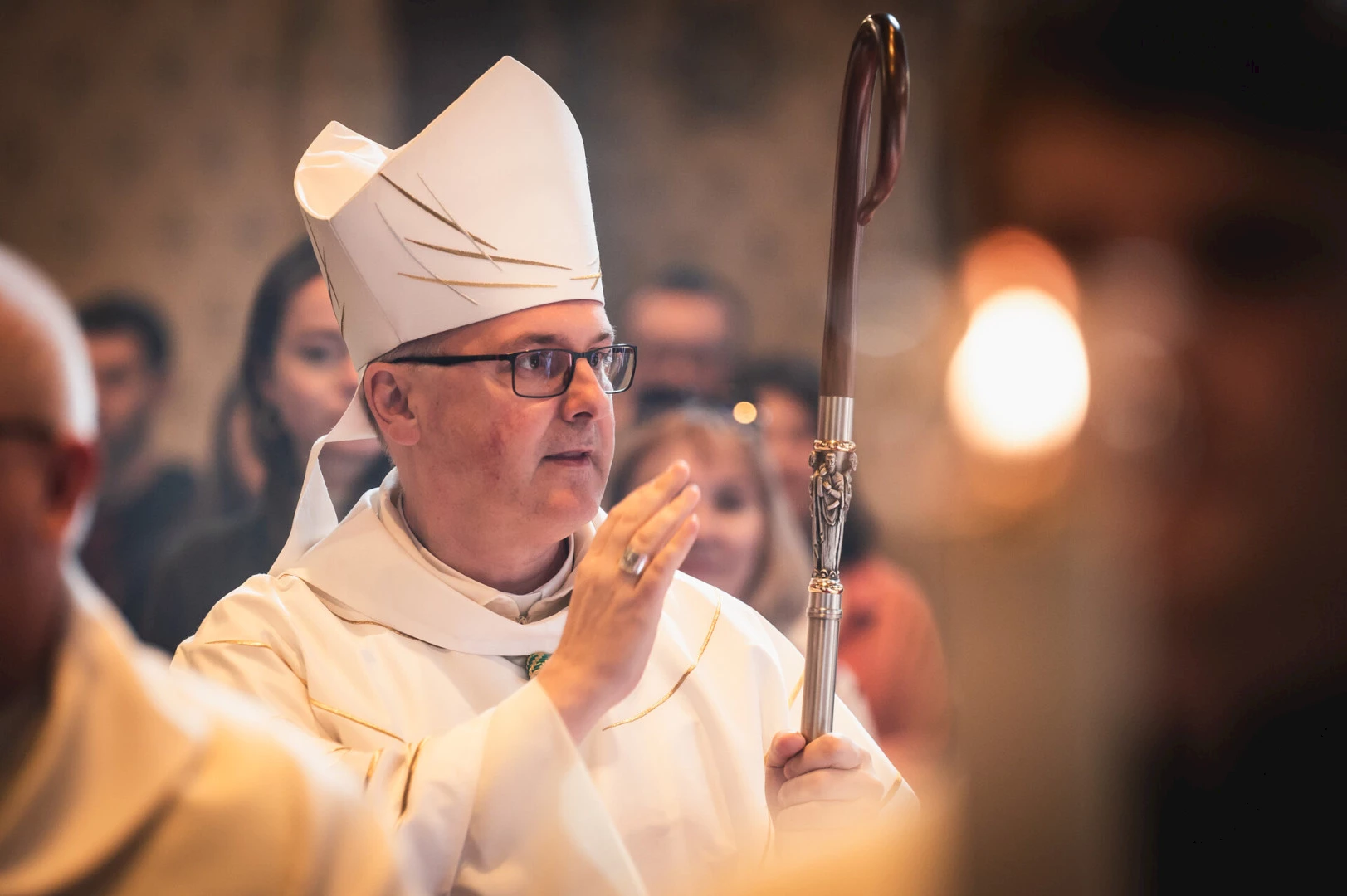
The new Archbishop of Prague is the former Bishop of Litoměřice Stanislav Přibyl. Pope Leo appointed him as the 38th Archbishop of Prague on February 2, the Catholic feast day of Candlemas. He takes office on April 25. He will remain administrator of the diocese of Litoměřice until then.
With Přibyl, Pope Leo initiates a generational change. At 54, Přibyl is the youngest Archbishop of Prague for over 100 years. He succeeds Jan Graubner, who held the office for less than four years. However, Graubner was already 74 years old when he was inaugurated. At the age of 75, he submitted his resignation to Pope Francis, as is customary at that age. Graubner succeeded Archbishop Dominik Duka, who died in November last year.
Stanislav Přibyl himself was only Bishop of Litoměřice for a short time. He took office less than two years ago. This year, he attracted attention by declaring 2026 as the Year of Reconciliation, referring to the expulsion of the German population from the diocese of Litoměřice. Every month, a memorial mass is celebrated at various places in the diocese that stand for the sometimes violent acts of expulsion.
Přibyl was considered the favorite for election as the new archbishop. He comes from a music-loving family from Prague and held his first parish post in the central Bohemian mining town of Přibram, where he was involved in the restoration of the important Baroque pilgrimage site of the Holy Mountain.
He later moved to Litoměřice as vicar general, where he worked until 2016. He then served as Secretary of the Czech Bishops' Conference for seven years and became Bishop of Litoměřice in 2024. Přibyl not only holds a degree and doctorate in theology, but also a master's degree from the Faculty of Socio-Economics at Jan Evangelista Purkyně University in Ústí nad Labem. In 2025, he was awarded a doctorate in art history by the Catholic Faculty of Charles University in Prague. He has been a member of the Redemptorist Order since 1995.
Punctual and popular - the Czech Railways
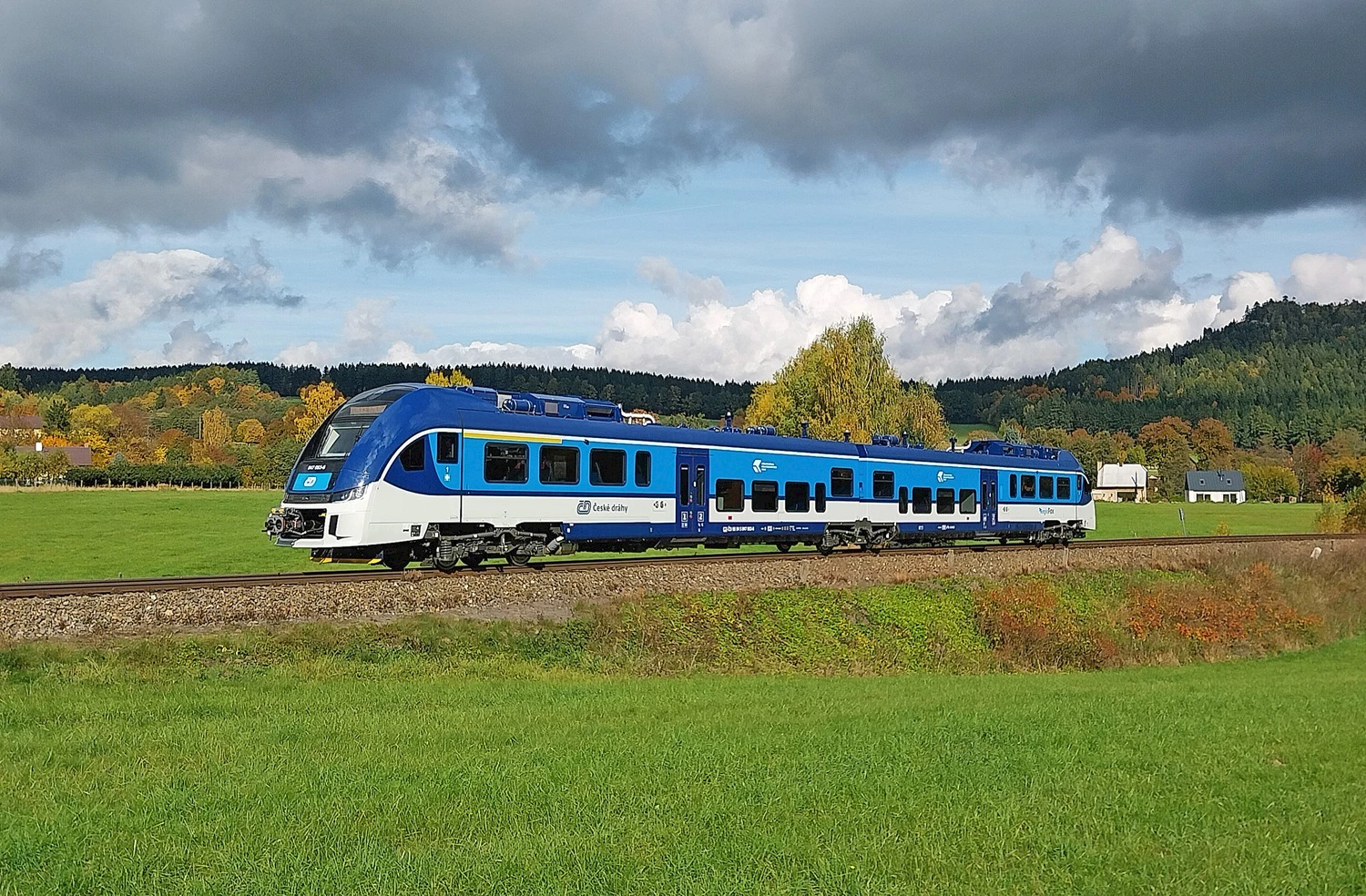
According to a press release, the trains of Czech Railways České dráhy (ČD) were more punctual in 2025 than they have been for nine years. 88.2 percent of the almost 2.5 million trains were on time, 0.6 percentage points more than in 2024. If the academic quarter applied to railroads, i.e. a tolerated delay of 15 minutes, 98.5 percent of all ČD trains would have been on time.
A total of 168 million passengers were transported, which was slightly less than in 2024. ČD blamed the decline on the lowest fuel prices in a long time. The railroads were also plagued by long-term construction sites, not only in the Czech Republic but also abroad, such as on the German-Czech border in the Elbe valley between Bad Schandau and Schöna and between Hamburg and Berlin. In contrast, the new Baltic expres long-distance connection to Poland ensured more passengers. ČD hopes to be able to transport more passengers again this year due to fewer construction sites. České dráhy is still a long way from the pre-coronavirus level of 182.1 million passengers in 2019.
However, Czech Railways not only scored with punctuality and new connections, but also continued to modernize its trains. More ComfortJet trains were deployed on long-distance connections in and outside the Czech Republic. A total of 450 new trains with WLAN were added. There are now a total of 5,277 train connections with WLAN in the Czech Republic. 4,603 connections have power sockets and USB ports and 7,379 České dráhy connections are barrier-free.
This is also appreciated by travelers. In its own app Můj vlak (My Train), České dráhy 2025 achieved a rating of 4.21 out of a possible 5 points. According to České dráhy, this is the highest score since the rating was introduced. In 2023, the score was 4.1 points. According to České dráhy, almost 173,000 travelers took part in the evaluation, submitting 834,000 ratings.
Czech Republic remains abstinent in February
The "Dry January" initiative, which originated in the UK, is now also very popular in Germany. However, while the participants in this campaign can now sit back and relax, the dry month is only just beginning in the Czech Republic. "Suchej únor" (translated: Dry February) is the name of the corresponding campaign, which aims to question alcohol consumption. This is actually very high in the Czech Republic. According to statistics, 1.6 million people have risky drinking habits. Moreover, the social and cultural significance of beer drinking in the Czech Republic is well known. But drinking habits are also changing in the land of beer. People are now drinking much more non-alcoholic beer, which is often available on tap and in very good quality. The consumption of high-proof spirits is also declining in the long term.
The campaign, which was founded in 2013, is becoming increasingly popular. Originally it was only aimed at men, but later at society as a whole. The "Suchej únor" association recently counted around 1.5 million registered participants. They receive daily guidance and support with abstinence via a website and/or app, combined with tricks and daily thoughts for inner reflection. This year, Dry February focuses on the four themes of time, love, sleep and money. As there are exactly 28 days in February, each week has a new theme.
Incidentally, the Czech Republic is not alone in celebrating Dry February. Slovakia officially joined the campaign in 2021. Canada also has a Dry February instead of a Dry January. Founded around the same time, the Dry January and Suchej únor campaigns were unaware of each other for a long time. One of the founders, Petr Freimann, recently explained quite simply in the podcast Sober Heroes why they came up with the carnival month of February in the Czech Republic: "At the beginning of the new year, we thought about what we could do for our health and came up with a month of abstinence. And then we just started in the next best month."
Bison to be reintroduced to the Duppau Mountains
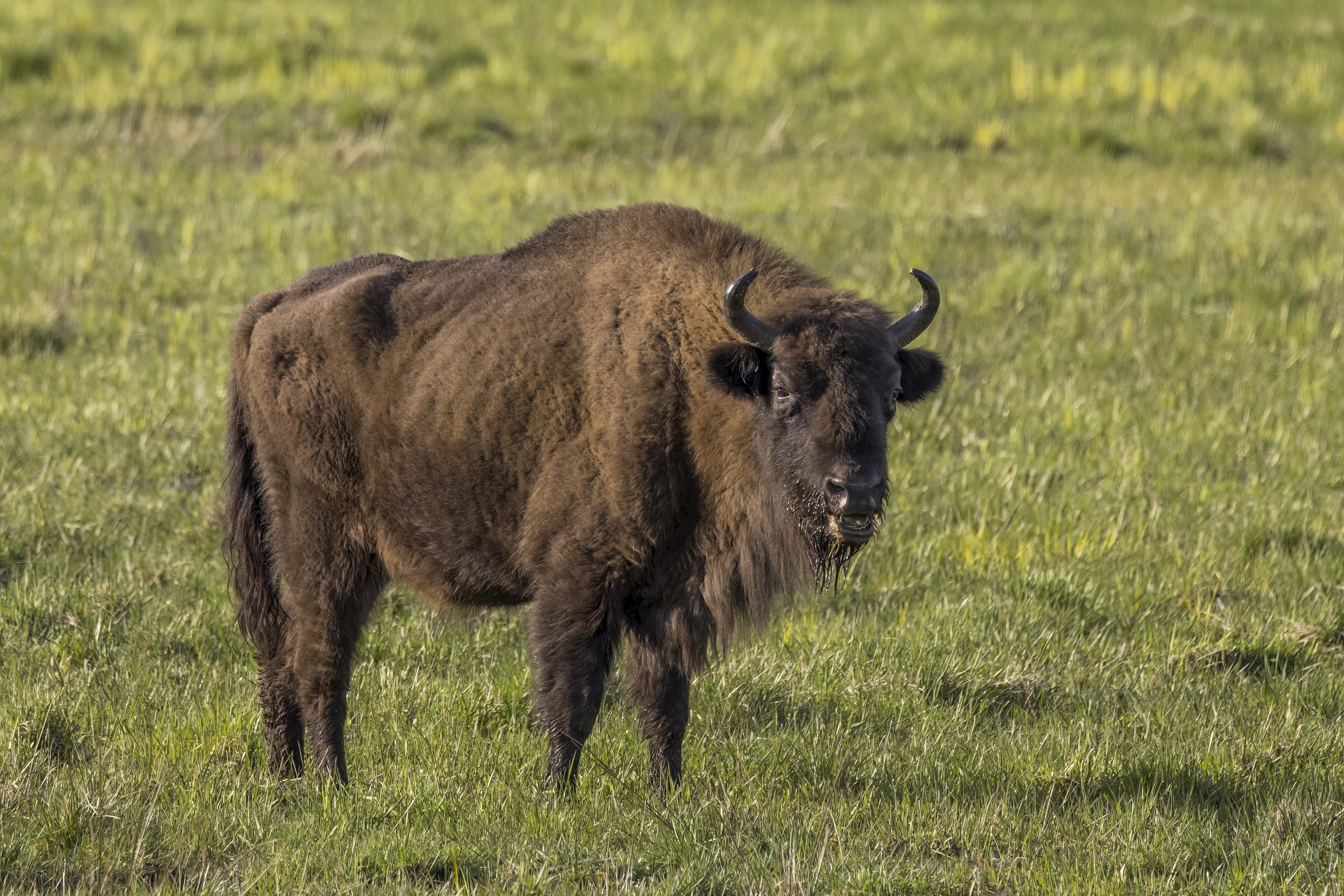
A reserve for bison and wild horses will be created in the Doupovské Mountains in the north-west of the Czech Republic in the coming years. Initially, seven bison and twelve wild horses are to be settled on an area of more than 130 hectares. The environmental protection organizations Česká krajina and Refugium, which are involved in the project, have already begun purchasing suitable land. A fundraising campaign has also been initiated to finance the project. Almost a third of the required 2.5 million crowns (100,000 euros) has already been raised. In the Czech Republic, bison already live in Milovice in central Bohemia, which was once also a restricted military area. The protected area is home to 50 bison on an area of 350 hectares. Wild horses are already more widespread in the Czech Republic and have already been bred in several places.
According to the Czech Academy of Sciences, keeping bison is the ideal option for this part of the Doupovské Mountains. The animals should help to preserve the character of the open landscape.
The planned reserve is located in the east of the mountains, in the smaller part that is in the Ústí district. It borders on the military reserve, which today occupies the largest part of the Doupovské Mountains. The Doupovské Mountains were inhabited until shortly after the Second World War, when the predominantly German population was expelled. The center was once the small town of Duppau with around 1,600 inhabitants. From 1955, the Hradiště restricted military area was established in the mountains and the remaining population was expelled. Not only the town of Duppau disappeared, but also another 76 villages and individual farmsteads.
If you would like to receive our weekly review regularly in your email inbox, sign up for our newsletter.