
Derweil in Tschechien... 7/26
20.02.2026
Strong increase in guests in North Bohemia
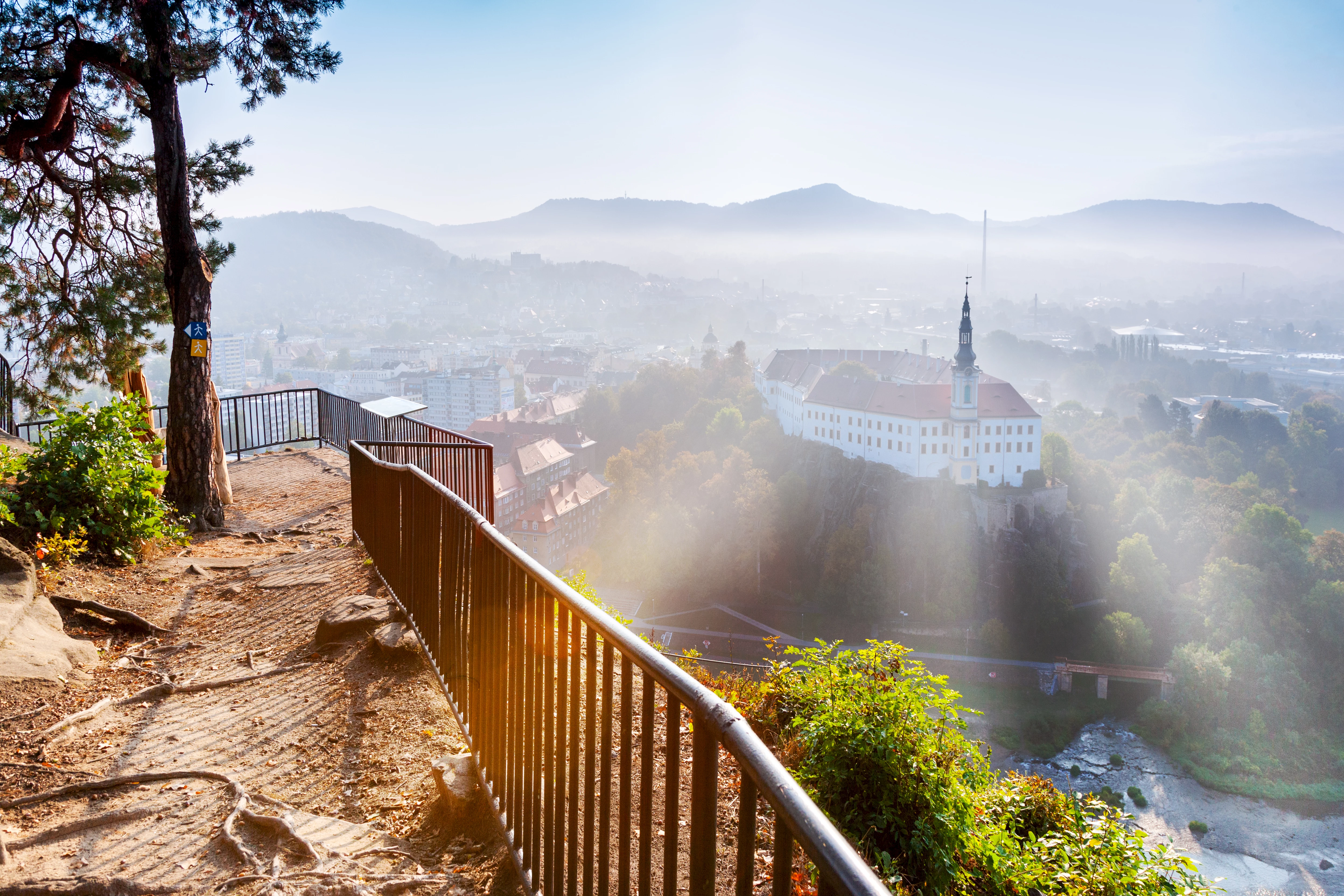
The Ústí region is becoming increasingly attractive as a vacation destination. In 2025, accommodation facilities recorded more guests than ever before since statistics began in 2012. According to the Statistical Office, over 660,000 guests stayed overnight last year, 4.3 percent more than in the previous year. Guests from abroad provided the strongest momentum. Their number increased by 8.6 percent to 228,007, while the number of guests from the Czech Republic rose by 2.2 percent to 432,335. The number of overnight stays also increased, by 5.6 percent in total to 1.7 million nights. That is an average of 2.6 overnight stays per guest. Czech tourists stayed an average of 2.7 nights, slightly longer than guests from abroad (2.4 nights). Almost half of foreign tourists came from Germany with almost 112,000. This was followed by almost 30,000 guests from Poland and just under 15,000 tourists from Slovakia.
In recent years, the number of tourists in the Ústí district has risen steadily, especially those from the Czech Republic. Tourism is also booming nationwide. The pre-corona level of almost 22 million tourists throughout the Czech Republic was already exceeded in 2024. Last year, 23.5 million people stayed in hotels, guesthouses, vacation apartments or campsites throughout the Czech Republic. At 10.9 million, the pre-corona level of foreign tourists was only exceeded in 2025. The number of domestic tourists had already exceeded the pre-pandemic level in 2022.
Motorists withdraw candidate Turek
Two weeks ago, Czech Prime Minister Andrej Babiš declared the "Turek" issue over. The dispute over the nomination of the honorary chairman of the Motoristé party, Filip Turek, had escalated. The leader of the Motorist Party, Petr Macinka, had threatened the President of the Republic in several text messages. President Petr Pavel went public and went on the offensive. This was followed by massive demonstrations throughout the country in support of Pavel, which continued for days and weeks afterwards. Officially, Macinka and Turek remained stubborn and stuck with the candidate for the post of environment minister. In the past, the latter had published posts on social media that trivialized the rule of the National Socialists, while other posts were xenophobic or insulted minorities. President Pavel did not consider Turek to be a suitable candidate for a ministerial post.
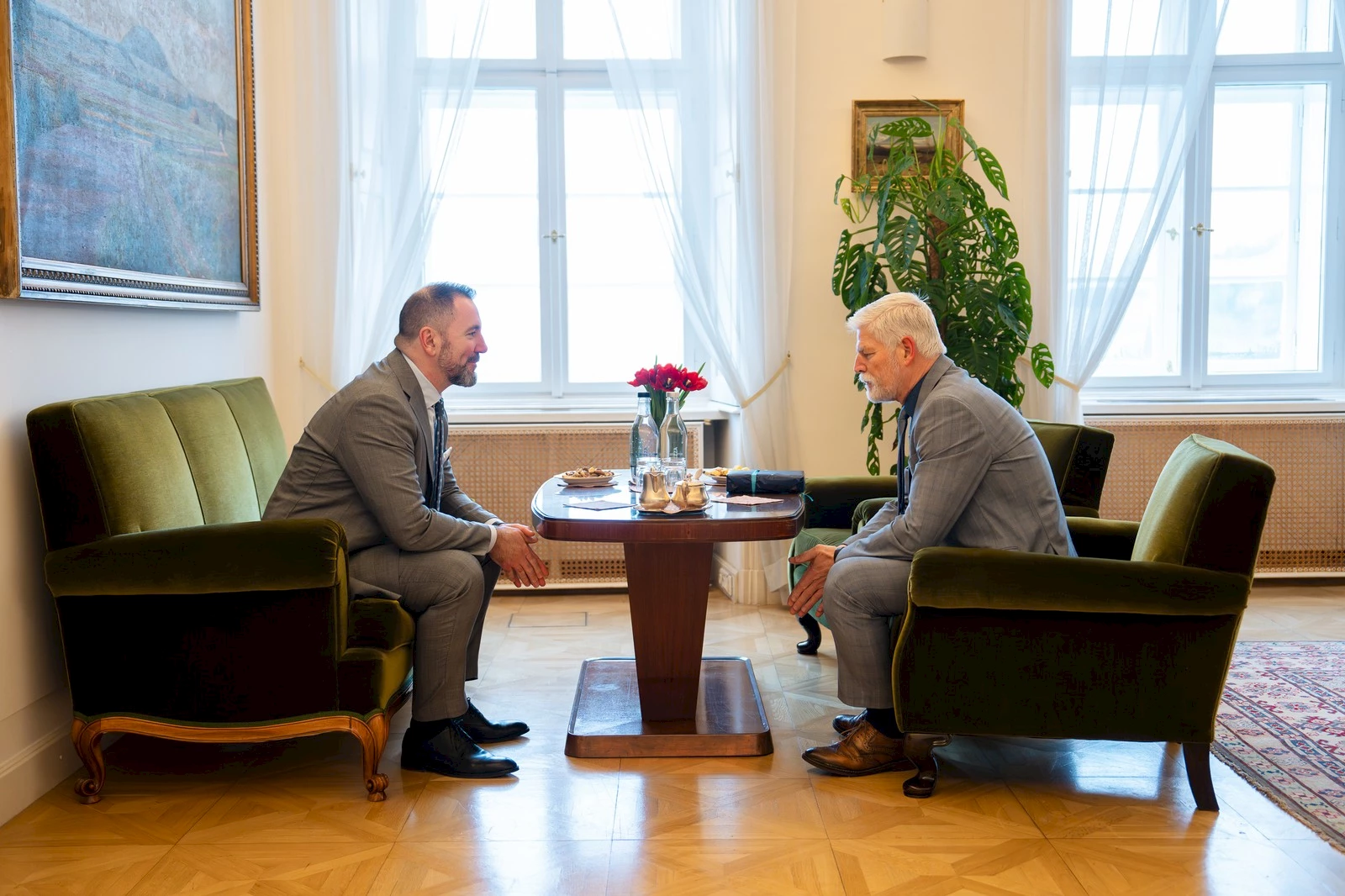
But at the beginning of the week, the 180-degree turnaround: The Motorists suddenly presented MP Igor Červený as the new candidate for the post of environment minister. Before becoming an MP, Červený worked as a project manager at various universities in Prague and Charles University. President Petr Pavel had announced that he would first meet with Červený before making an appointment, which took place yesterday at Prague Castle. After the meeting, it was announced that the president would appoint the minister on Monday.
Political scientists see three reasons behind the sudden change of opinion. In opinion polls, the small party had fallen by two percentage points from its previous 7 percent, bringing it to the edge of the 5 percent hurdle. In addition, head of government Andrej Babiš put pressure on the party. The whole affair was beginning to get on his nerves and he feared that his work in government could be damaged. And thirdly, the Foreign Ministry and the Environment Ministry complained that their head, Petr Macinka, was not in the house enough. Macinka had led both ministries. The original plan was to maintain this as long as Turek was not appointed.
Nine border market stalls in Hřensko already removed
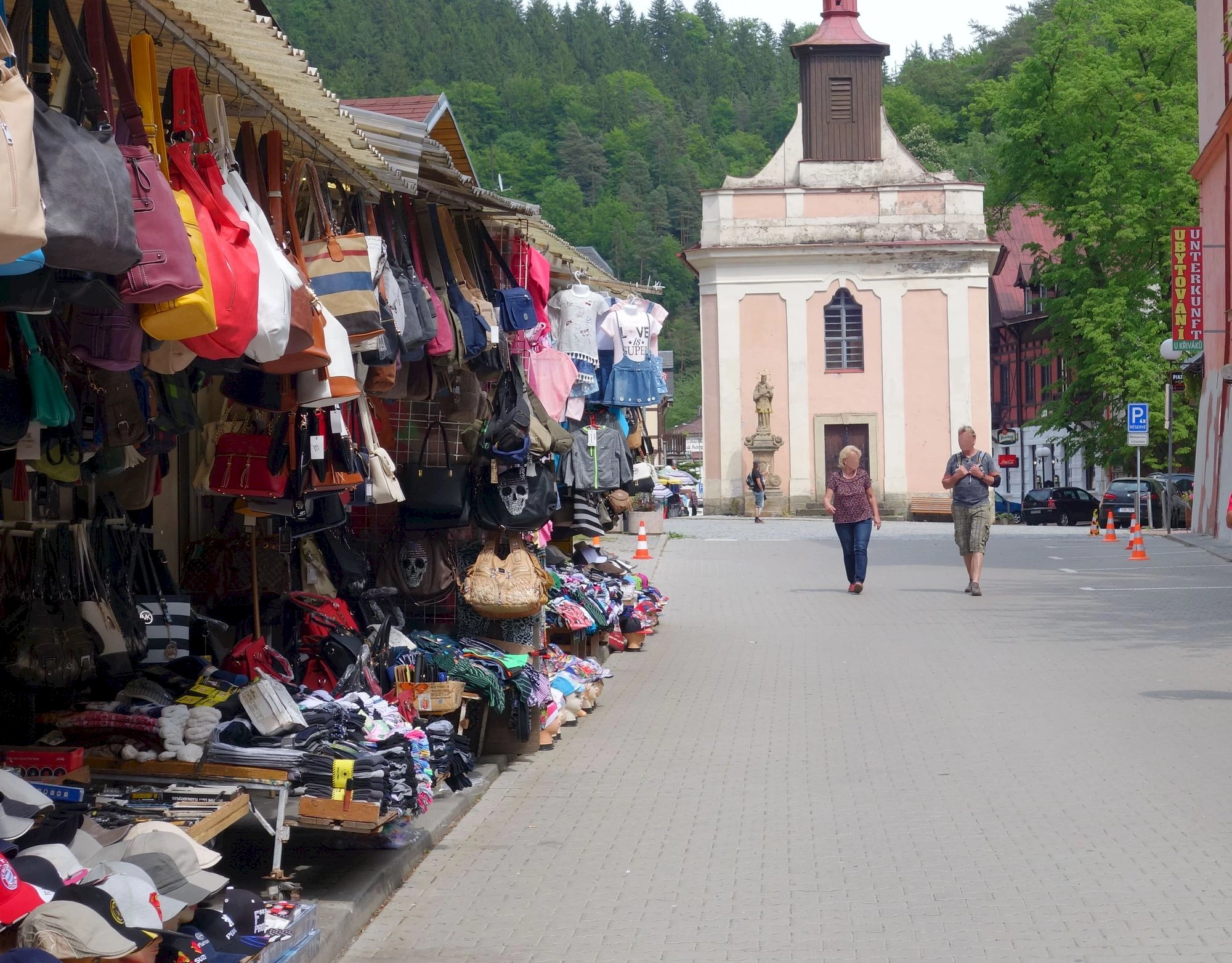
The border village of Hřensko (Herrnskretschen) has got its way. According to Czech Radio, nine stalls at the border market run by members of the Vietnamese minority in the Czech Republic have already disappeared. The municipality had called on all stall owners to remove their stalls, which were illegally located on public municipal land. The operators had had a special permit for this since 2004, but it had expired. This involved three smaller and six larger stalls. There are now a total of two affected market stalls. The municipality is still negotiating details with one of the traders. One trader did not respond to the municipality's request, which has now commissioned a lawyer to clarify the matter.
"We are aware that this will eliminate shopping opportunities. But we want certain rules to be observed," Mayor Kateřina Horáková told Czech Radio in December. The municipality hopes that the removal of the market stalls will improve the aesthetics of the village's public image.
After cave closure: bat population recovers
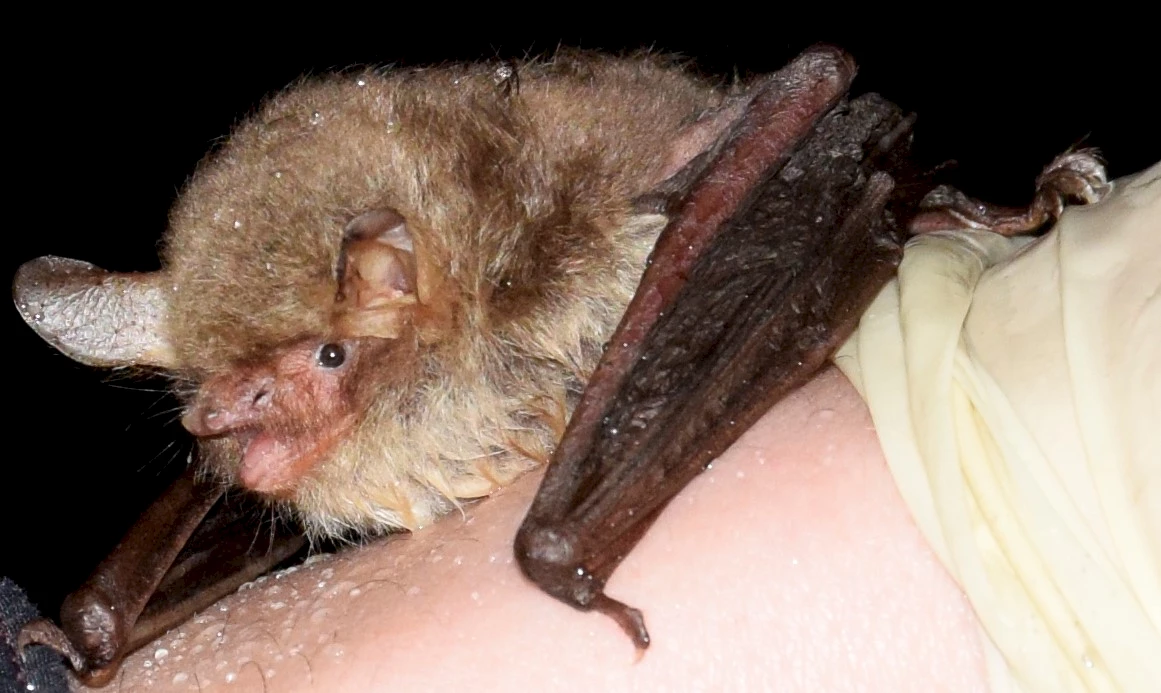
Five years ago, the administration of the Bohemian Switzerland National Park had several caves in the Elbe Valley closed. The aim was to protect bats that hibernate in the caves from cave tourists. The caves in the Elbe Sandstone Mountains are a popular destination for climbers, especially in winter, when the sandstone cliffs are not allowed to be climbed. There are hundreds of caves of different sizes in the Elbe Valley on the Czech side alone.
After five years, the national park has noticed an improvement in the bat population. During the last census, national park rangers recorded 24 species of lesser horseshoe bat, six species of greater mouse-eared bat and six species of fringed bat in the Elbe Valley caves alone. In total, the national park regularly monitors 16 caves in Bohemian Switzerland and the Elbe Sandstone Mountains.
When will the Ústí Hole disappear?
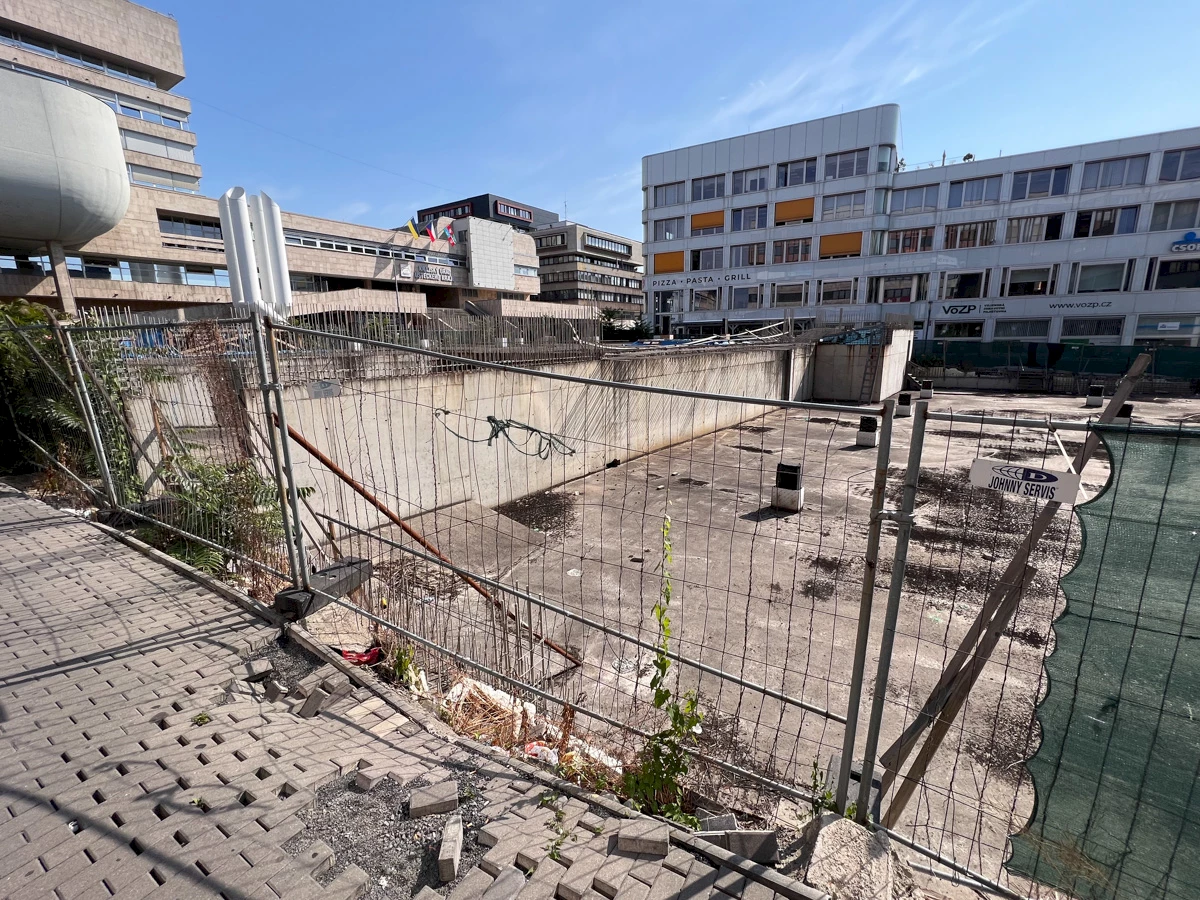
The city of Dresden once had the Vienna Hole, an unused excavation pit on Vienna Square that was only closed after 15 years. The district town of Ústí nad Labem (Aussig) has had its "hole" for 14 years now, but it has not been given a special name. Everyone in Ústí simply calls it the "hole" and everyone knows what is meant: it is also a construction pit on the edge of the central square Mírové náměstí (Peace Square), in which, however, two floors of underground parking have already been built. That's why the hole is not as deep as it was in Dresden. However, nothing has been done here for many years and, according to the latest findings, the two underground levels also need to be adapted as a minimum.
A majority in the city council has now decided that the company BBP Stavby Management should complete the building planned there. But it is foreseeable that the Ústí Hole will last longer than 15 years. According to the contract, BBP Stavby Management must begin construction no later than nine months after it comes into force. The building is due to be completed in 2029.
However, the "Ústí Hole" and the associated decisions of the city council majority have been criticized by the opposition. They already considered the purchase of the ruined building for 73 million crowns (2.9 million euros) to be a mistake. An expert opinion had only determined a value of 37 million crowns. BBP Stavby Management is taking little risk by taking over the building. This is also criticized by the opposition. The city receives 1.5 million crowns a year for the right to build on city-owned land. At the same time, however, the city will pay over 1.7 million crowns a year in rent after completion, which has already been contractually agreed.
There used to be a small park in place of the eternal new building.
Děčín strengthens local public transport
While cities in Germany are suffering from budget problems and are therefore beginning to cut back on local public transport, as in Dresden or Chemnitz, the northern Bohemian city of Děčín is taking the opposite approach. Since February, the intervals for the most important bus routes have been reduced from 15 to 10 minutes during rush hour. This affects weekday mornings and afternoons. But there have also been improvements at weekends. In addition, the night routes 232 and 233 have returned. The reason for this step is the high demand. The shorter intervals also fit in with the objectives of the city tour. "We want people to travel around the city by bus more than by car if possible," said Deputy Mayor Ondřej Smíšek. Incidentally, neither he nor anyone else in the city leadership belongs to the Green Party, which in the Czech Republic is only represented by two individual MPs in the national parliament and is not represented at all in many local parliaments. In Děčín, the mayor belongs to the right-wing populist ANO party of Prime Minister Andrej Babiš. He is in coalition with pragmatic politicians from electoral alliances that are most likely to belong to the center-right spectrum.
The decision to improve public transport will increase the number of kilometers traveled by 5 percent this year. However, the shortened intervals are not new in Děčín. Bus routes used to run every eight minutes during rush hour in some places. The night lines already existed too.