

Weekly review no. 43
16.08.2024
Disappointment with Czech Olympic record
The Czech Olympic team returned from Paris with the worst medal tally since the Czech Republic was founded in 1993. The Olympians won three gold and two bronze medals, falling short of the result from Beijing 2008 (three gold, three silver and one bronze).
The chairmen of the National Sports Federation, Miloslav Jansta, and the National Olympic Committee, Jiří Kejval, considered the result a failure, even though they emphasized the achievements of the medal winners and those in the top 10. They identified underfunding in sport as the reason for the poor performance. This includes the payment of coaches and a lack of or inadequate infrastructure. This particularly affects team sports, where the Czech Republic has no chance of participating in the Olympic Games or other finals in the long term, with the exception of ice hockey and soccer.
Jansta and Kejval also lamented the lack of appreciation for sport and even more so for competitive sport in society. Children are less active than they were years ago, there are too few sports lessons per week and there is little club involvement, except in a few sports.
Typically for smaller countries, the Czech Republic excels in a few sports. At the Olympics since 2008, 80 percent of medals have been won in six sports: tennis (7), javelin (7), shooting (6), canoe sprint (6), canoe slalom (5) and rowing (4). This time, only the canoe sprint, tennis and javelin were convincing. The bronze medals in the epee fencing team competition and for javelin thrower Nikola Ogrodníková were surprising. Hopes for the next Games are raised by 30 places in the top 10, with the six classic Czech sports again taking more than half.
Farewell to the Olympic festival in Most
Like the Olympic Games, the Olympic Festival in Most also came to an end on Sunday. The National Olympic Committee organizes the Olympic Festival in a different city for each Olympic Games. Over two weeks, a total of 70,000 visitors were able to try their hand at various sports or get autographs from Olympic athletes. The epee fencing team, who surprisingly won bronze in Paris, also paid a visit. President Petr Pavel also paid a visit to the festival. The eye-catcher of the festival was an almost 13-metre-high replica of the Eiffel Tower made from marine plastic, which was produced using 3D printers. It has not yet been decided who will host the Olympic Festival for the next Winter Games.
K¨ängurus break out of prison
This story has even made it onto the big American late night shows: two kangaroos have returned after escaping from a prison in the central Bohemian town of Jiřice, north-east of Prague. After the first was caught, the second returned on its own. Both had dug their way to freedom under the fence. However, as the kangaroos do not live in the prison as punishment, but for therapy and as a reintegration aid for the inmates, their return was not too difficult.
The prison in Jiřice is a so-called open prison. Not only kangaroos are kept here, but also other animals. The inmates are encouraged to take responsibility by caring for them.
Czech embassy in Berlin before renovation
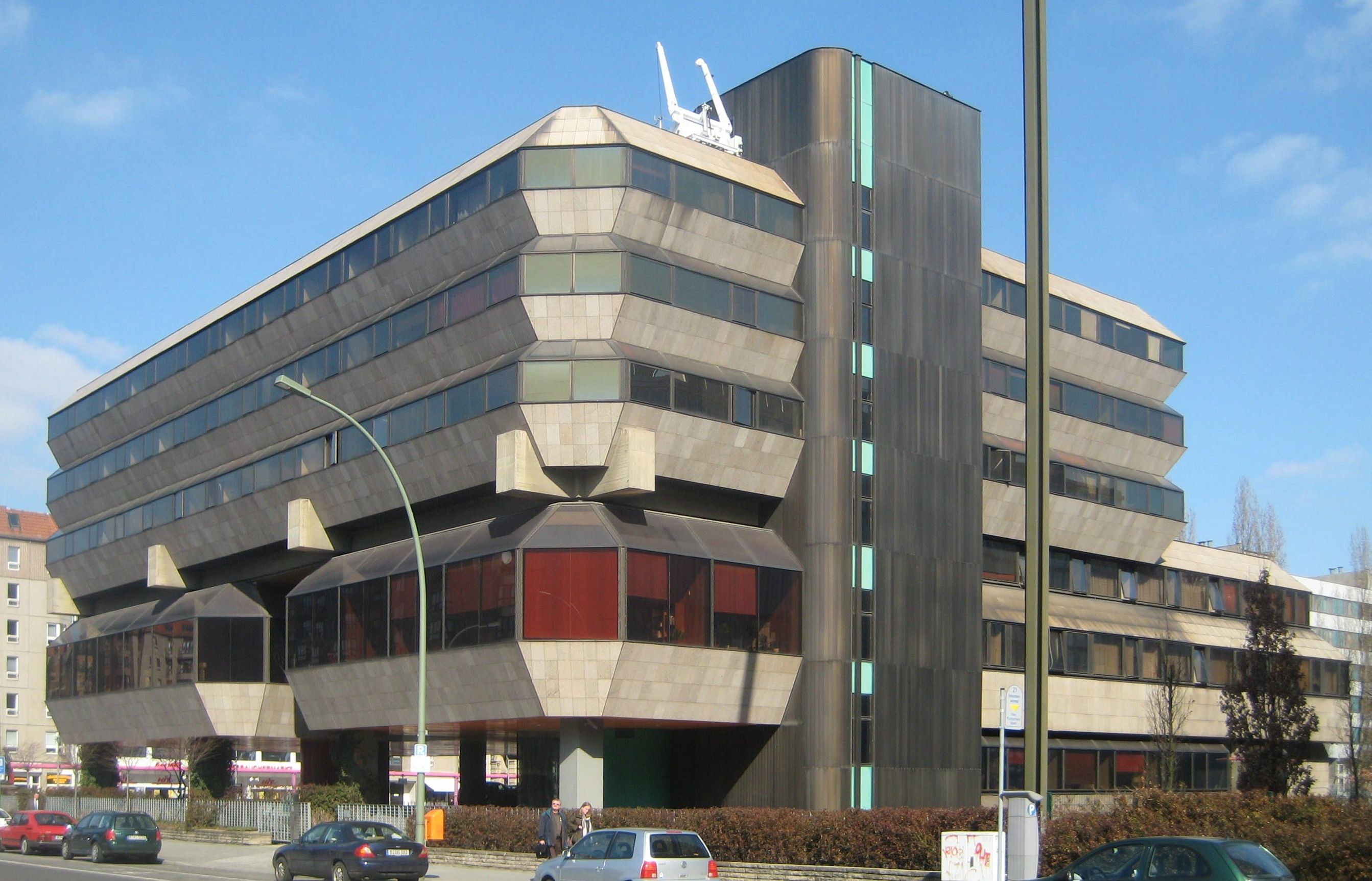
The Czech Embassy in Berlin is moving out of its iconic building on Wilhelmstrasse for the next five years. The reason for this is the renovation of the striking building near Potsdamer Platz. This is already overdue and is primarily intended to provide better insulation and reduce operating costs. The refurbishment of the building by the well-known architect couple Věra and Vladimír Machonin, who designed other well-known Brutalist buildings such as the Kotva department store in Prague, will be correspondingly costly. When the government decided to renovate the building in 2017, the planned costs still amounted to around 727 million crowns (29 million euros).
Meanwhile, the embassy is moving to an office building at Hausvogteiplatz 10. The Czech Center, which was previously based nearby on Leipziger Straße, was also last located in the embassy building and has been at the alternative location at the Goethe-Institut on Neue Schönhauser Straße for some time now
The consular section of the embassy will close on August 19 and reopen two weeks later at Hausvogteiplatz. The refurbishment, on the other hand, will not begin until spring 2025 at the earliest and will not be ready for the building's 50th anniversary in 2028. After completion, an application will be made for the building in Wilhelmstrasse to be listed as a historical monument.
ANO appoints new top candidate for district elections
A week and a half after the arrest of the mayor of Chomutov, Marek Hrabáč, his party ANO has presented a replacement. Hrabáč was also his party's lead candidate in the upcoming district elections. He is now being replaced by a political heavyweight in Richard Brabec. The former manager of the chemical plant in Lovosice and later long-time environment minister is one of party leader Andrej Babiš's closest allies. The chemical plant in Lovosice belongs to the Agrofert Group, which made Babiš one of the richest Czechs. Brabec later went into politics with his boss.
The nomination of Brabec shows how raw the nerves are in Prague. Members of the ANO party had already caused problems for the Prague headquarters in the past. The 2015 coup against its own primátor (mayor) of Ústí nad Labem, Josef Zikmund, is unforgettable. The current district governor Jan Schiller, who is also a member of the ANO party but was obviously not considered good enough for a second legislative term and the election campaign, almost ended in a similar way. Schiller will therefore definitely step down after the elections. At the same time, he has applied for a seat in the Senate.
So now someone from the center and close to boss Babiš is supposed to take over. The scandal comes at an inopportune time for ANO. As mayor, Marek Hrabáč is said to have manipulated the awarding of lucrative construction contracts in such a way that the same company was always awarded the contract. ANO is committed to fighting corruption. The Ústí district is also very important because it is a stronghold for ANO.
If you would like to receive our weekly review regularly in your e-mail inbox, sign up for our newsletter.
To the newsletter registration
 The production of this newsletter is co-financed by tax funds on the basis of the budget approved by the Saxon State Parliament.