

Meanwhile in Czechia... 22/26
05.06.2026
Václav Havel Library threatened with closure
The library dedicated to former Czech President Václav Havel is threatened with closure. Now that Václav Havel's widow, the actress Dagmar Havlová, has withdrawn her support for the library, the continued operation of the institution is in acute danger.

The withdrawal of the 73-year-old presidential widow is the latest low point that the library has had to endure after weeks of disputes. In May, the library team unanimously handed in their notice to quit at the end of June. The sole reason: the chaotic management activities of director Tomáš Sedláček and the associated differing views on the direction of the library. Sedláček argues that he is only fulfilling the vision with which he took office a year ago. The 49-year-old Sedláček is a well-known economist who even worked as an advisor to Václav Havel. He is best known for his book "The Economics of Good and Evil", which has been translated into many languages and was awarded the German Economics Prize in 2012. Previously, four out of five members of the Board of Directors had already resigned after unsuccessfully trying to dismiss Director Sedláček, whom they accused of not fulfilling his duties.
The library is now threatened above all by the resignations and dismissals. One of the library's best-known employees is the successful writer Jáchym Topol, who works as a dramaturge in the library. Topol has been part of Václav Havel's close circle since his youth. The editor Anna Freimannová is also still on the team until the end of June. The 75-year-old was herself in the underground before 1989 and has rendered outstanding services to the publication of Václav Havel's work.
The departure of the members of the Board of Directors is also linked to the end of financial support for the library. This was largely secured by the entrepreneurs Zdeněk Bakala and Karel Komárek. Bakala has already announced that he will no longer give any money. Komárek has not yet made a final statement. Both were members of the Board of Directors.
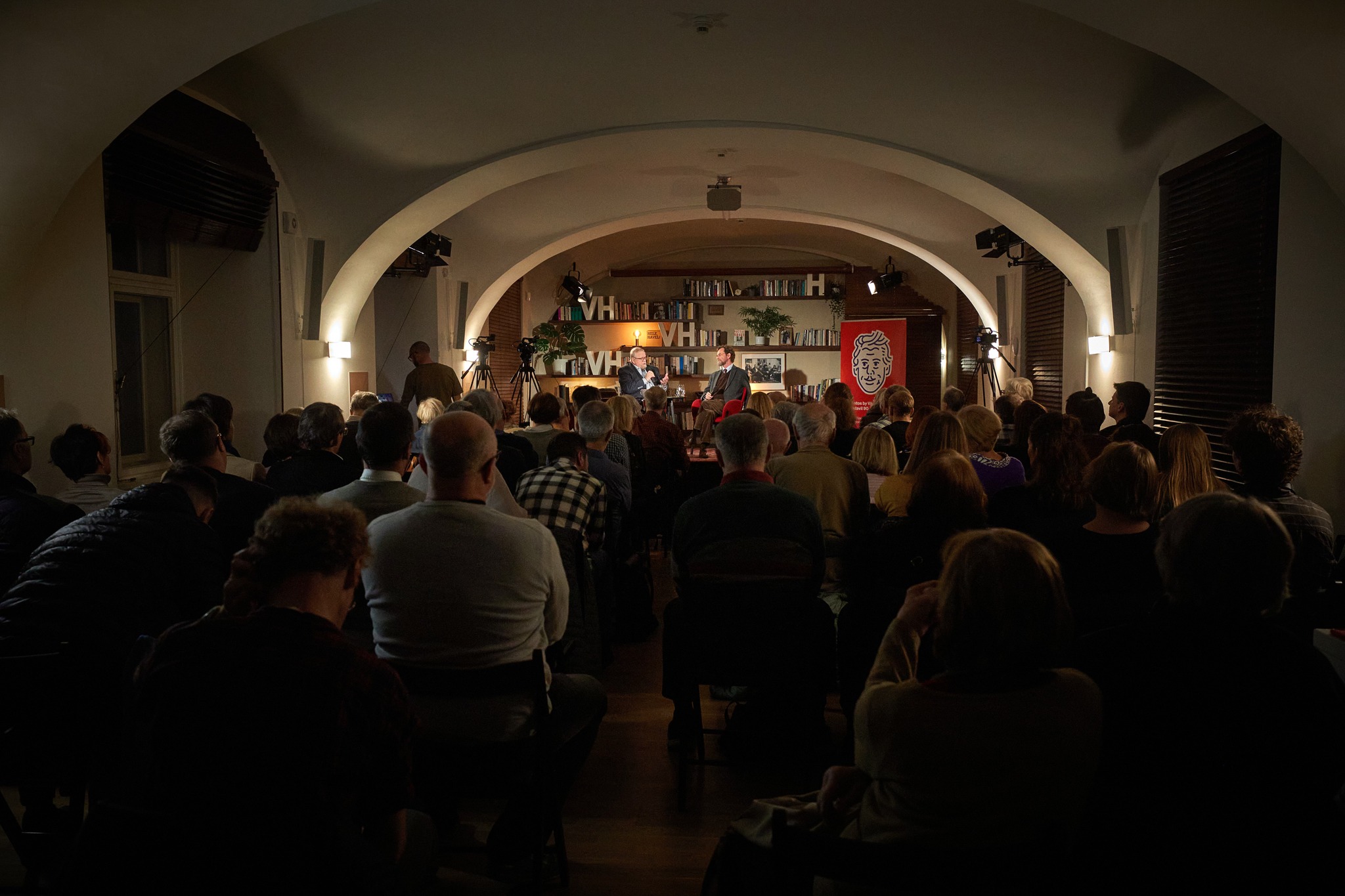
The library was established in 2004, modeled on the libraries of former American presidents, after Havel left office at the beginning of 2003 after more than 13 years as Czechoslovak or Czech president. The library developed into an important institution during his lifetime, not only preserving Václav Havel's legacy, but also initiating important debates, producing publications and organizing exhibitions, as well as working intensively with young people. For a long time, it was headed by the writer, translator and diplomat Michal Žantovský.
Now the last remaining member of the board of directors, politician David Dušek, has announced that he will continue the library with new sponsors and a new team. However, without the naming rights held by Dagmar Havlová, this is likely to be difficult.
March commemorated the Postelberg massacre
With a march from Postoloprty (Postelberg) to Žatec (Saaz), several hundred people commemorated the victims of the massacre of members of the German minority at the end of May and beginning of June 1945. During the expulsion of the German population from Czechoslovakia, the Czechoslovak army and unspecified armed units rounded up mainly men in the Postoloprty barracks and then tortured and shot them for several days. Sources speak of 800 to 1,200 victims, in some cases even up to 2,000, making it the bloodiest massacre of the post-war period in Europe until the events in Srebrenica.
The victims have been commemorated with the march since 2022. Students from grammar schools in the surrounding area are particularly involved. The Archbishop of Prague, Stanislav Přibyl, also marched. As Bishop of Litoměřice, he had declared this year the Year of Reconciliation with twelve events commemorating the suffering inflicted by Germans on Czechs and Czechs on Germans.
Closure of the porcelain factory in Dubí averted
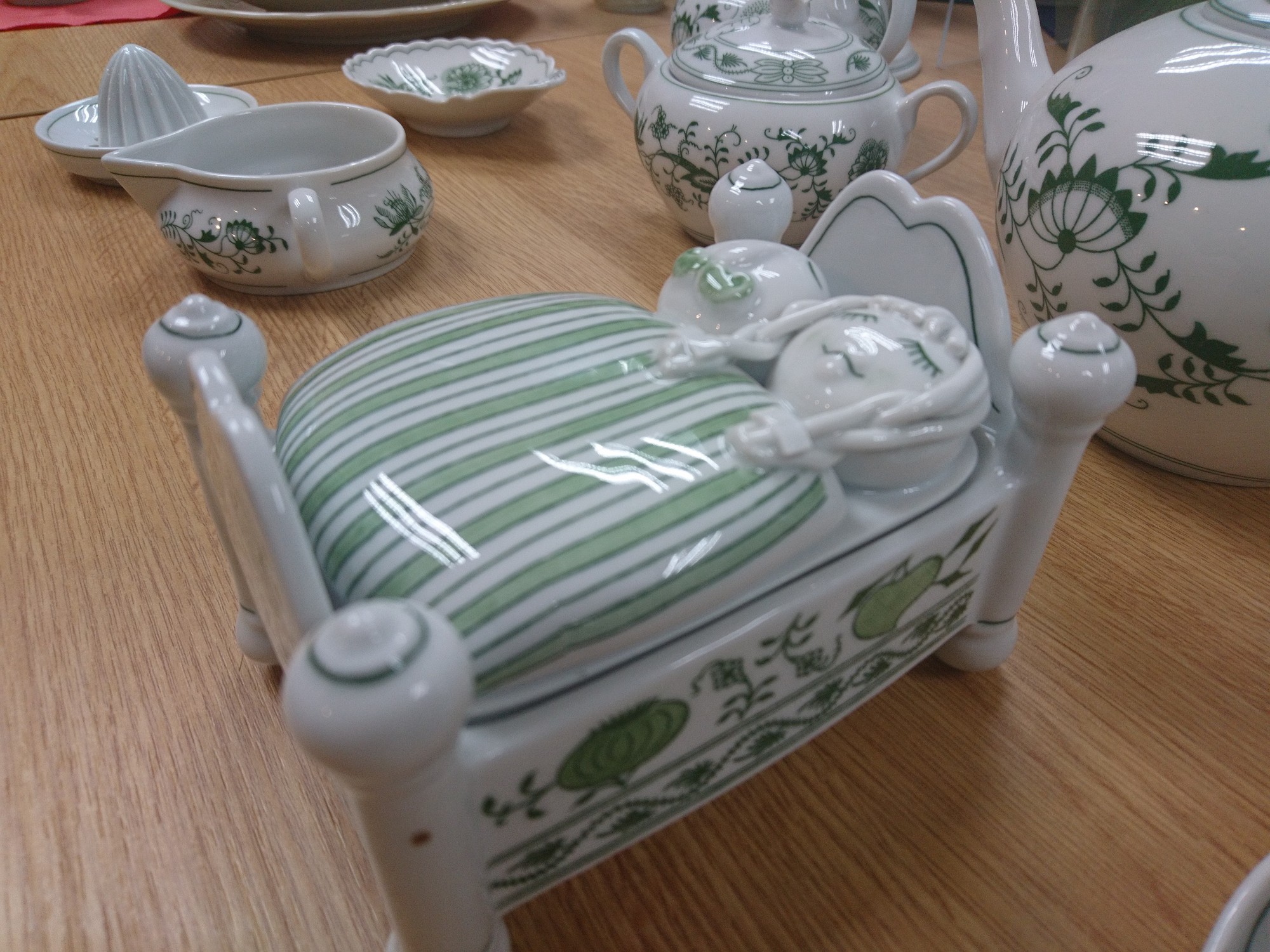
A proposal to liquidate the porcelain factory in Dubí (Eichwald) was not accepted by the shareholders' meeting. This would have required a two-thirds majority.
The Český porcelán porcelain factory has been producing porcelain since 1864. It is best known for its onion pattern, which it produces under license from the porcelain manufactory in Meissen. However, high energy prices have left their mark on the company. Nevertheless, the company has enough orders and sufficient cash to pay salaries, reports the daily newspaper Mladá fronta Dnes, citing Vladimír Feix, one of the largest shareholders. However, some of the shareholders are allegedly concerned about the lack of dividends. They would earn too little from their share, as the profits are usually reinvested in the company. Feix called the attempt to liquidate the company an unnecessarily planned undertaking. The Hong Kong-based shareholder Renown Trading Limited, which holds 9.8 percent of the shares, is behind the proposal to liquidate the company.
The largest shareholders are the two brothers Vladimír and Radislav Feix. They inherited their shares from their father, Vladimír Feix senior, who had managed the company for over 50 years before his death in 2021. Together, they hold just under 46 percent of the shares. The future of the porcelain factory remains to be seen. The company is not only successful on the domestic market, but also sells its porcelain primarily in Europe and Asia.
Czech Republic experiences worst drought in 65 years
This spring was the driest in the Czech Republic since 1961, according to records from the Czech Hydrometeorological Institute. This year's spring was drier than the previous record set in 1993, with the least rainfall in April and only slightly more in March. Spring was also one of the warmest on record, with the twelve warmest springs all occurring after the year 2000. The average temperature of the three spring months exceeded the long-term normal values by 0.9 degrees Celsius.
Zdislava skull on display for the last time
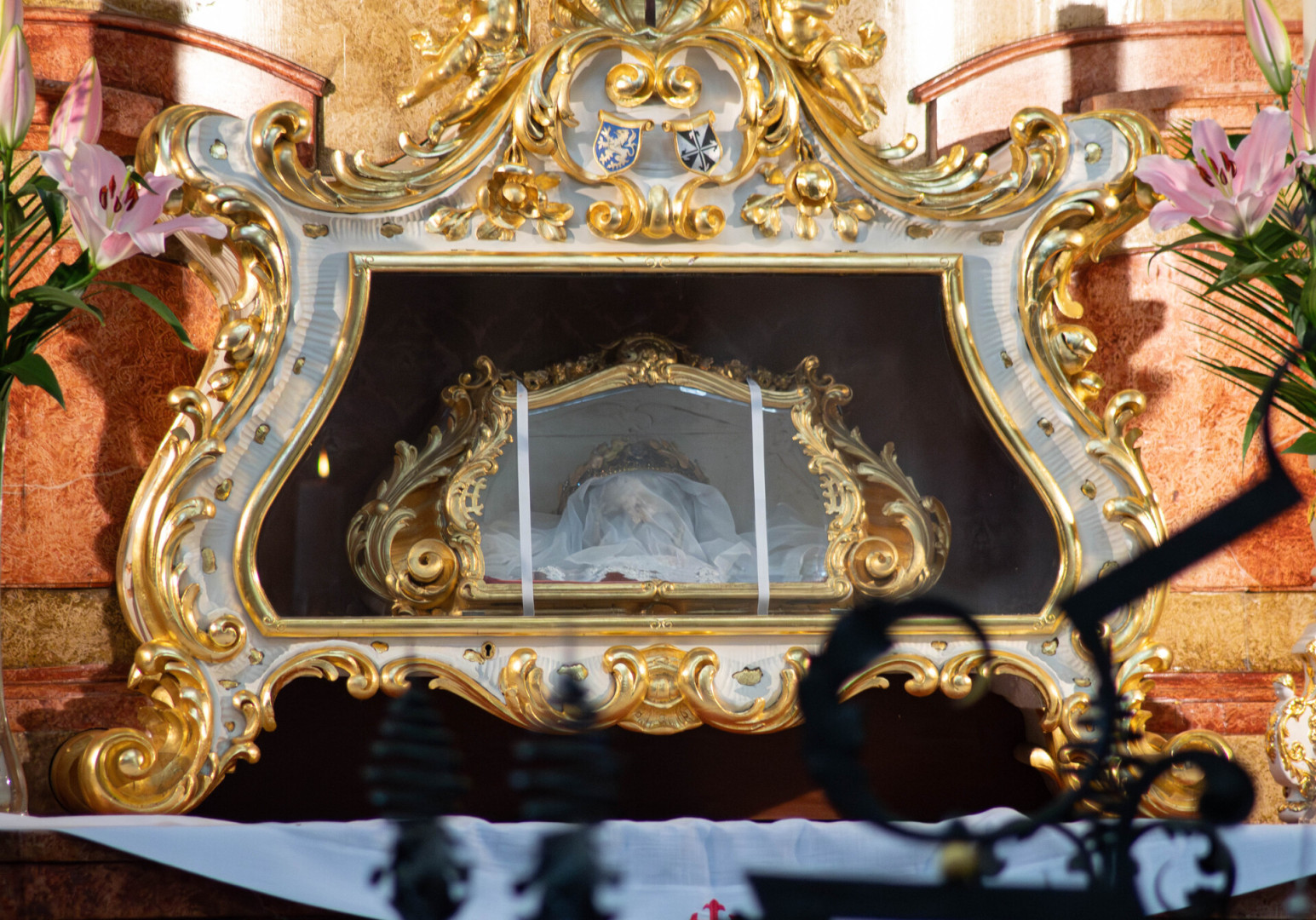
At the solemn pilgrimage mass last Saturday, the skull of St. Zdislava was shown once again. It lay safely on the altar. However, it was then placed in a secret location. In future, it will no longer be on public display as before, but will be placed with the saint's mortal remains. The reason for this is the theft in which the skull was stolen on May 12. The perpetrator had then cast the skull in concrete and wanted to sink it in the water. However, he was caught by the police just in time. In a 16-hour marathon, two restorers then removed the relic intact from the concrete.
According to Archbishop Stanislav Přibyl, it is now time to place the skull in the tomb of St. Zdislava. He had revived the pilgrimage only a year ago, back then as Bishop of Litoměřice. However, it has only now become known that the skull was broken in the 1970s. The relic, which is over 800 years old, had been reassembled by expert Emanuel Vlček. It is therefore only responsible to protect the skull now. According to the Archbishop of Prague, it will be deposited in the tomb on a small scale. This deposition does not have to be final. It would be different in the event of another theft or any other damage. "That could then be final, and we don't want to risk that," said Přibyl.
Zdislava was beatified in 1907 and canonized in 1995. She is the patron saint of families, but also of the Liberec district, the diocese of Litoměřice and the Czech people. Her skull was displayed in a reliquary on a side altar directly above her grave for almost 120 years.
Dora Kaprálová wins the European Prize for Literature
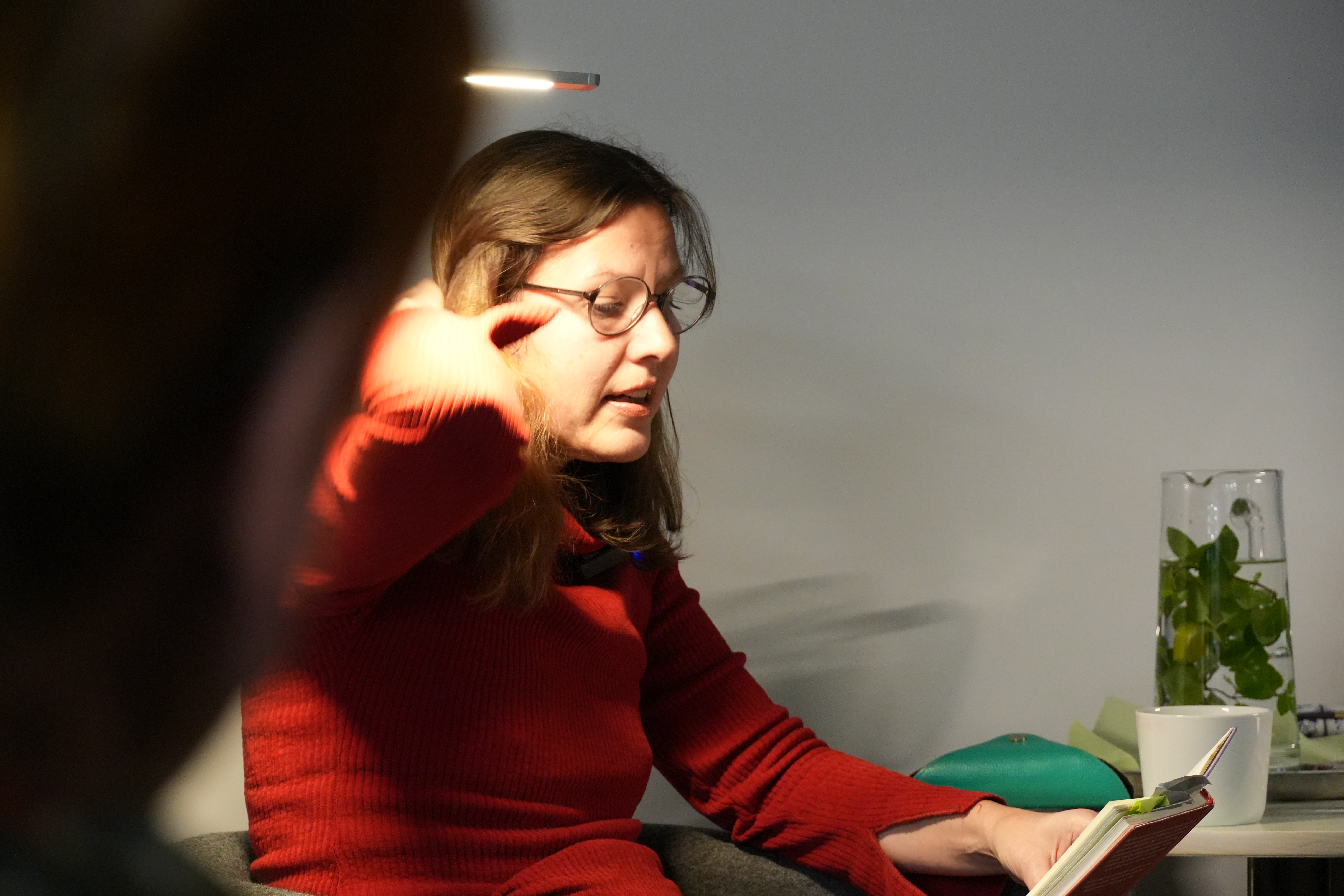
Berlin-based Czech author Dora Kaprálová has been awarded this year's European Union Prize for Literature for her novel "Maribor Hypnosis". The jury selected her from 14 candidates. The prize was awarded last week at the International Book Fair in Warsaw. The novel deals with Kaprálová's stay in the Slovenian city of Maribor in an unusual way. It is a poetic and playful tale about illusion, imagination and the search for hope in an uncertain world, according to a press release.
This is the second major triumph for Kaprálová, who also performed at the Czech-German Culture Days in Dresden last year. A month ago, she received the highest Czech literary prize "Magnesia Litera" for the "Book of the Year". The German translation was published by the Berlin publishing house mikrotext.