

Meanwhile in Czechia... 33/26
04.09.2026
Jan Masaryk's Remains Exhumed
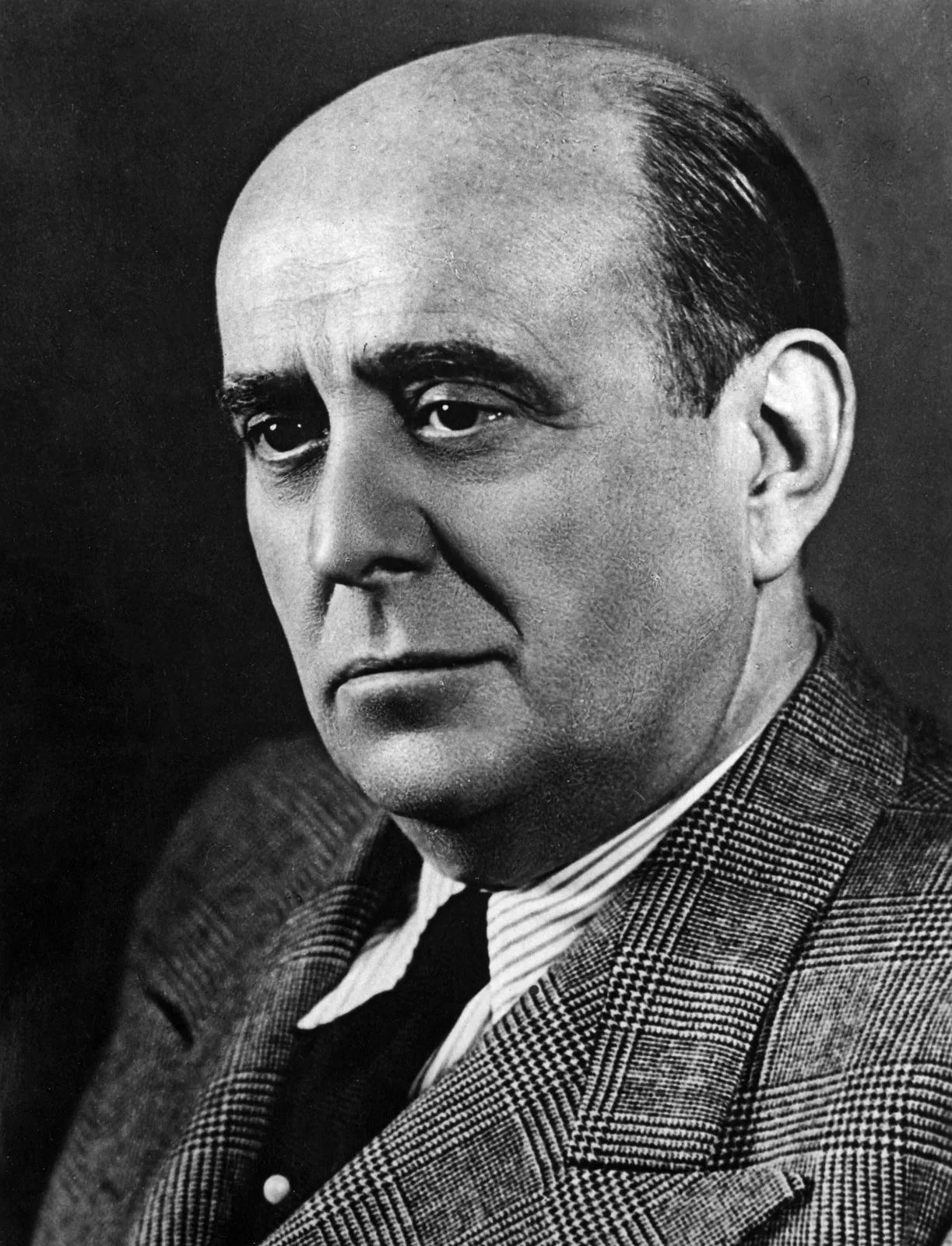
Nearly 80 years after his death, the remains of former Foreign Minister Jan Masaryk were exhumed. To do so, the family grave at the cemetery in Lány near Kladno was opened. The town is home to the summer residence of Czech presidents.
The son of Czechoslovakia’s first president, Tomáš Garrigue Masaryk, died on the night of March 10, 1948, after falling from his official residence at the Foreign Ministry in Prague. His body was found beneath the open bathroom window. Officially, it was ruled a suicide. A few weeks earlier, the Communist Party had seized power by force in Czechoslovakia. Jan Masaryk was one of the few remaining independent ministers in the predominantly Communist government and, thanks in part to his reputation and popularity among the people, wielded influence that should not be underestimated. In this respect, Masaryk’s death could only have suited the Communist rulers.
The exhumation is to be followed by an investigation using the latest police methods to clarify the circumstances of Masaryk’s death. The investigation is also prompted by new findings and documents, including translations of documents from diplomatic archives in France, the U.S., and the U.K.
Private Consumption Drives Czech Economic Growth
The Czech economy grew by 1.9 percent year-over-year in the second quarter. Compared to the first quarter, economic output rose by 0.4 percent. Growth was driven primarily by private consumption, which increased by 2.7 percent year-over-year. The 7.1 percent increase in gross fixed capital formation also contributed to the Czech economy’s strong performance. Government consumption rose by 1 percent. Gross value added increased by 1.8 percent compared to the same quarter of the previous year. This increase was driven primarily by industry, trade, transportation, tourism, and the information and communications sector. Employment rose by 1.5 percent, and the number of hours worked increased by 2.8 percent.
Analysts expect growth of just under 2 percent for the full year as well. Given the difficult global environment, this is considered a major success. Risk factors include not only the war in the Middle East but also the weak German economy, to which the Czech economy is closely linked.
The fact that the Czech economy is nevertheless faring so much better than the German economy is due to continued robust private consumption. Real wages have been rising for some time now, and inflation has been kept under control despite higher oil prices. In this situation, households have been catching up on many purchases that were put on hold during periods of galloping, double-digit inflation.
However, consumption is likely to slow in the foreseeable future, as private households increasingly seek to shift toward saving.
Dittrich Mausoleum Gets Its Stained-Glass Windows Back
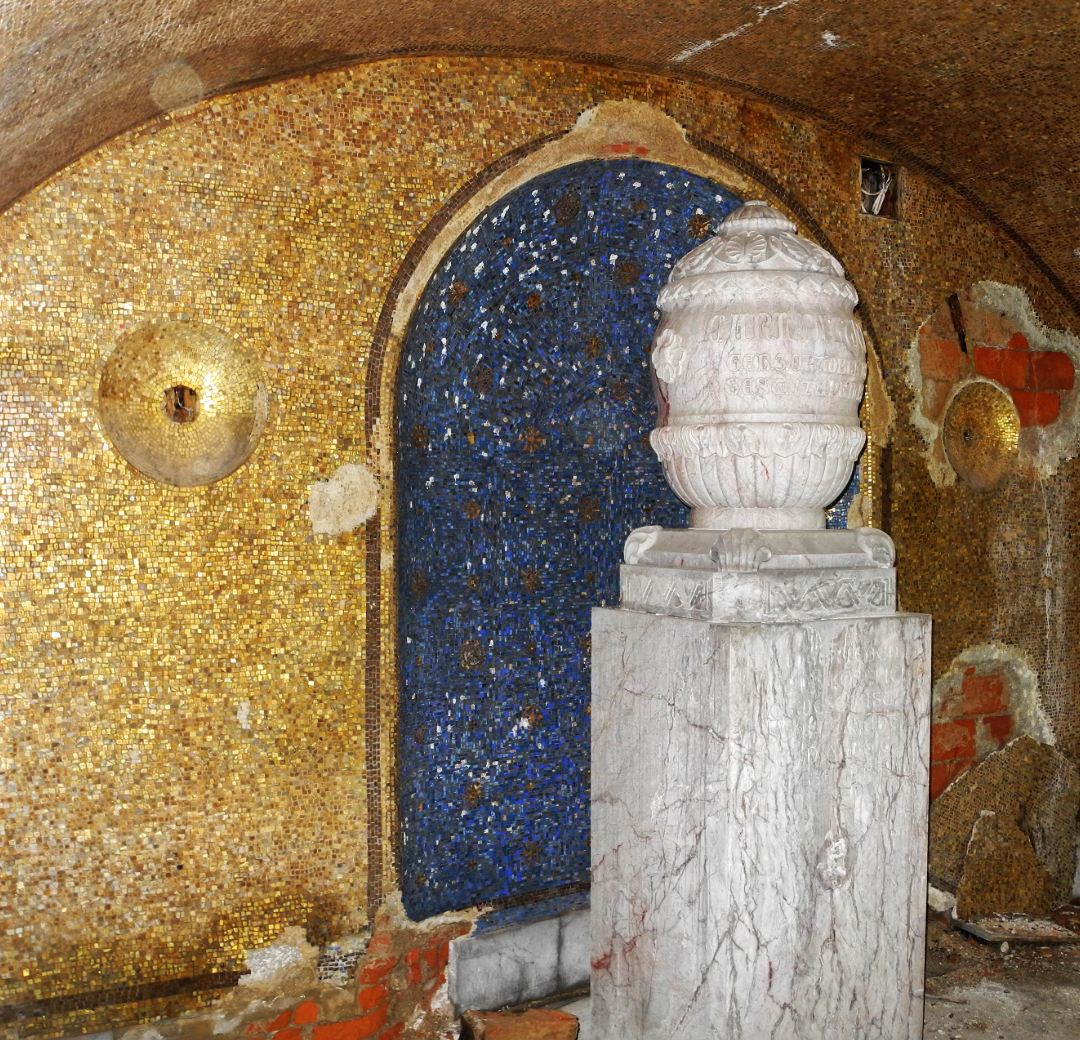
The mausoleum of the Dittrich industrialist family in Krásná Lípa (Schönlinde) on the outskirts of Bohemian Switzerland is getting its leaded-glass windows back. This has become possible because an original sketch from 1888 was found in the Rumburk (Rumburg) Museum. According to a report by Czech Radio (Český rozhlas), the sketch reveals that the windows featured an unusually rich array of imagery.
The restoration of the stained-glass windows will be another step in the restoration of the burial site, a project that has been underway for years and will still cost a great deal of money. This year, repairs to the roof were finally completed, meaning that for the first time in years, rainwater can no longer seep in. The metal door and the entire front facade have already been renovated.
The mausoleum is owned by the town of Krásná Lípa, which plans to completely renovate the mausoleum in the coming years. In addition to the leaded-glass windows, this includes the entire interior, including fascinating gold mosaics in the basement. The multitude of gold hues is particularly fascinating. The adjacent boiler house with its chimney is also set to be restored. The mausoleum had been heated by a sophisticated system designed to maintain a stable temperature inside. The mausoleum’s architect was Julius Carl Raschendorff, who is best known for Berlin Cathedral.
Production ofLow-CO2 Cement Begins Near Lovosice
The Swiss building materials group Holcim has commissioned a modern production facility for low-emission cement at its plant in Čížkovice, near Lovosice in northern Bohemia. In the future, cement will be produced using calcined clay, which replaces cement clinker. The new technology is expected to reduce carbon dioxide emissions by up to 30 percent, thereby preventing 45,000 metric tons of carbon dioxide emissions. According to Holcim, planting 2 million new trees would be required to achieve such a reduction. Producing calcined clay requires only 800 degrees Celsius, whereas cement clinker requires a temperature of 1,450 degrees Celsius. According to Holcim, the plant is the first of its kind in Central Europe. The technology had previously been tested in France. The cost of the new plant amounts to the equivalent of approximately 41 million euros. Holcim received one-third of this amount from the modernization fund of the Czech Ministry of the Environment.
Holcim is the third-largest cement producer in the Czech Republic, behind Heidelberg Cement and Cemex.
Crop Failures in Northern Bohemia
The harvest in Northern Bohemia is nearing its end, and the initial results are devastating. Farmers in the Ústí district, which borders Saxony, harvested 15 to 20 percent less. At the same time, the harvest in Northern Bohemia was poorer than in the rest of the country. On average, 4.77 metric tons of grain were harvested per hectare. That is 0.6 metric tons below the national average.
Farmers attributed the poor results primarily to the lack of rainfall. In some areas, less than one-third of the long-term average fell. Losses were reported for virtually all crops. Forage corn has not yet been harvested, but a sharp decline is also expected there. The decline in the sugar beet harvest was particularly pronounced. Farmers now also anticipate problems with animal feed, as less hay could be produced.
Děčín’s Bus Fleet Is Becoming Almost Entirely Electric
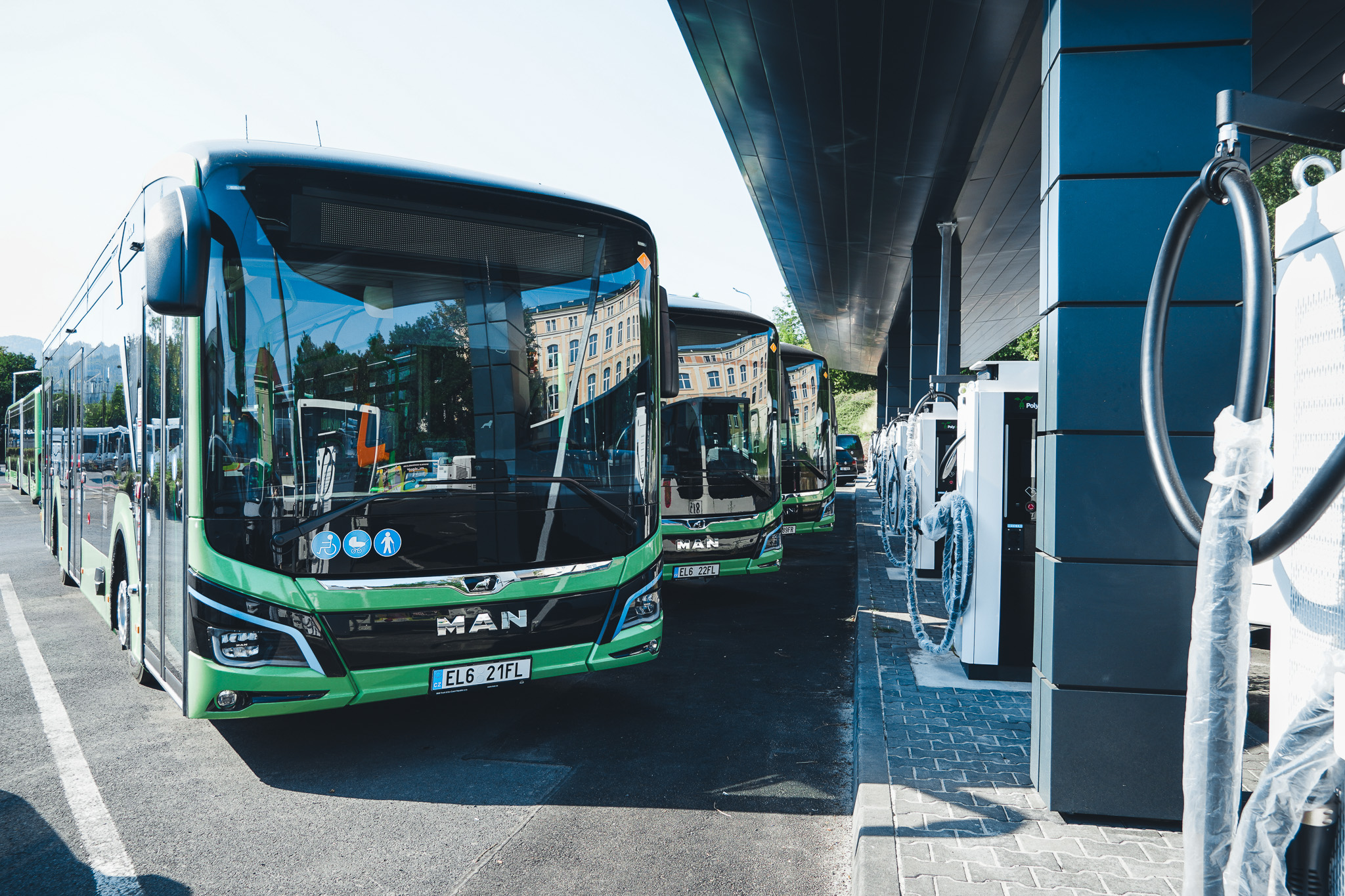
Děčín is acquiring new electric buses for its public transit system by the end of 2029. After that, with a few exceptions, only electric buses will be in service in the city, which has just under 50,000 residents. In a recent call for bids, the city announced the purchase of a total of 21 electric buses, including 18-meter-long articulated buses and nine shorter buses (10–11 meters), but primarily the 12-meter-long buses commonly used in the city. Due to its location on the edge of the Bohemian Central Mountains and the Elbe Sandstone Mountains, the route network includes roads with steep inclines, which require correspondingly shorter buses. The first new buses are scheduled to be delivered by the end of October 2027. The city expects the purchase price to be nearly 250 million crowns (nearly 10.5 million euros). To finance the purchase, Děčín plans to apply for funds from the modernization fund.
To date, Děčín already has 21 electric buses in city service. The buses, manufactured by MAN, have been in trial operation since August.